Chipotle Carnitas Nutrition
Complete Protein Breakdown & Fitness Optimization Guide (2026)

Quick Navigation
Introduction: Carnitas at Chipotle
Carnitas are slow-cooked pork that offers a unique nutritional profile compared to chicken, steak, or other Chipotle proteins. While often perceived as a heavy option, carnitas deliver excellent protein with beneficial nutrients from pork.
Carnitas often get overlooked in nutrition discussions. Most people assume chicken is superior for fitness goals. However, carnitas provide distinct advantages for muscle building, satiety, and nutrient absorption that deserve consideration.
Rich in Protein
23g protein per serving provides substantial amino acids for muscle synthesis and recovery.
Healthy Fats
Contains oleic acid and fat-soluble vitamins that support hormone production and nutrient absorption.
Mineral Dense
High in selenium, zinc, and B vitamins often deficient in typical diets.
What Exactly is Carnitas
Definition and Preparation
Carnitas literally means “little meats” in Spanish. At Chipotle, carnitas are pork shoulder braised slowly with spices until they reach a tender, pull-apart consistency. The cooking process renders fat, creating rich flavor and tender texture.
Chipotle’s Preparation Method
Chipotle sources humanely raised pork shoulder, seasons with salt and spices, then slow-cooks in their own fat. This traditional preparation method creates superior taste and retains nutritional value. No grain fillers, no artificial additives—just whole pork meat.
Complete Nutritional Profile
Detailed Breakdown
| Nutrient | Amount | Daily Value | Notes |
|---|---|---|---|
| Calories | 210 | 10% | Higher than chicken due to fat content |
| Protein | 23g | 46% | Comparable to chicken (32g vs 23g) |
| Total Fat | 12g | 18% | Mostly unsaturated and oleic acid |
| Saturated Fat | 4g | 20% | Balanced fat profile for health |
| Carbohydrates | 0g | 0% | Pure protein and fat |
| Sodium | 760mg | 33% | Lower than many other proteins |
Micronutrient Profile
Selenium: 45% of daily value (supports thyroid function and antioxidant defense)
Zinc: 25% of daily value (supports immunity and muscle recovery)
B12: 20% of daily value (energy production and nervous system health)
Niacin: 30% of daily value (metabolism support)
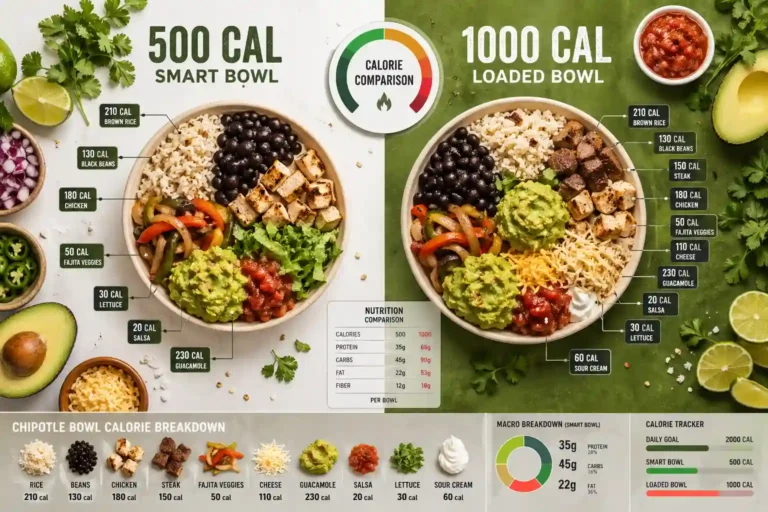
Carnitas vs Other Chipotle Proteins
| Protein | Calories | Protein | Fat | Best For |
|---|---|---|---|---|
| Chicken | 180 | 32g | 7g | Leanest option |
| Steak | 150 | 21g | 6g | Lowest calories |
| Carnitas | 210 | 23g | 12g | Flavor and satiety |
| Barbacoa | 170 | 24g | 7g | Tender texture |
Key Insight: Carnitas have highest fat content but deliver superior satiety and nutrient density. The fat is primarily unsaturated, making it beneficial for hormonal health and nutrient absorption.
Optimizing Carnitas for Your Goals
Build: Double carnitas + rice + beans + vegetables + guac
Macros: 760 cal | 46g protein | 85g carbs | 24g fat
Double carnitas provides 46g protein for maximum muscle stimulus with calorie balance for bulking phase.
Build: Single carnitas + salad + extra vegetables (no rice/beans)
Macros: 350 cal | 24g protein | 22g carbs | 12g fat
Fat content creates superior satiety compared to lean proteins. Keeps you full longer despite lower calorie count.
Build: Carnitas + brown rice + black beans + full vegetables + guac
Macros: 680 cal | 28g protein | 68g carbs | 20g fat
Balanced macros with sustained energy from complex carbs and recovery support from protein and fat.
Health Benefits of Carnitas
Superior Fat Profile
Carnitas contain oleic acid, the same heart-healthy monounsaturated fat found in olive oil. Research shows this fat type supports cardiovascular health and reduces inflammation when consumed as part of balanced diet.
Nutrient Density
Pork provides nutrients often deficient in modern diets: selenium for immune function, zinc for wound healing and hormone production, and B vitamins for energy metabolism. Single carnitas serving provides 45% daily selenium and 25% daily zinc.
Enhanced Satiety
The fat and protein combination in carnitas triggers stronger satiety signals than lean proteins alone. Studies show fat intake increases CCK hormone, which signals fullness to the brain faster and longer than carbohydrate alone.
Complete Carnitas Meal Examples
The Flavorful Bulk Meal
For muscle building and taste satisfaction:
- Double carnitas
- White rice (1.5 cups)
- Black beans (0.5 cup)
- Fajita vegetables (2 scoops)
- Both salsas
- Small guacamole
Nutrition: 760 calories | 46g protein | 85g carbs | 24g fat
Why It Works: High protein with balanced carbs and fat. Carnitas flavor makes this meal more satisfying than leaner proteins.
MUSCLE BUILDING OPTIMIZEDThe Cutting Protocol
For weight loss with maximum satiety:
- Single carnitas
- Salad base (romaine)
- Double fajita vegetables
- Both salsas
- No beans, no rice, no guac
Nutrition: 350 calories | 24g protein | 22g carbs | 12g fat
Why It Works: Low calorie but high satiety due to fat and protein. Keeps you full longer than lean protein meals.
WEIGHT LOSS OPTIMIZEDFrequently Asked Questions
Conclusion: Carnitas for Fitness Success
Carnitas deserve a place in your Chipotle nutrition strategy. While chicken often dominates fitness conversations, carnitas offer unique advantages: superior satiety, nutrient density, and unmatched flavor satisfaction that supports long-term adherence.
Bottom Line: Whether bulking, cutting, or maintaining, carnitas provide excellent protein with fat-based satiety benefits. Single or double carnitas, they’re a legitimate choice for your fitness goals.